

What Is Lead Scoring and How Does It Improve Sales Conversion?
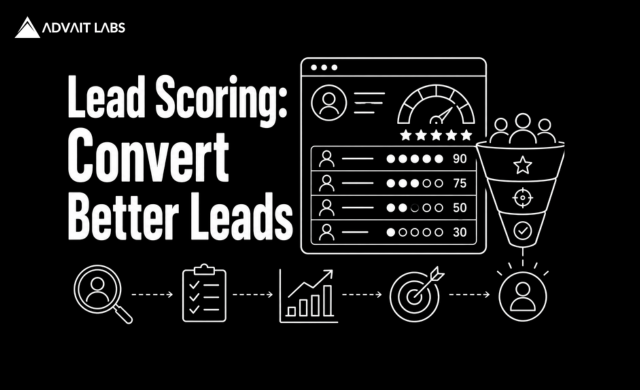
Lead Scoring is one of the most effective ways for businesses to improve sales efficiency and increase conversion rates. Not every lead that enters your sales pipeline is ready to make a purchase. Some visitors are simply exploring their options, while others are actively looking for a solution and are prepared to buy. Without a structured process to identify these high-value prospects, sales teams often spend valuable time following up with leads that are unlikely to convert.
Lead scoring solves this problem by assigning values to leads based on their behavior, demographics, engagement, and buying intent. This enables sales and marketing teams to focus their efforts on prospects who are most likely to become customers. At Advait Technology Labs, we help businesses implement CRM solutions, marketing automation, and lead scoring systems that improve lead qualification, streamline sales processes, and drive measurable business growth. In this guide, you’ll learn what lead scoring is, how it works, and why it has become an essential part of modern sales and digital marketing.
What Is Lead Scoring?
Lead Scoring is the process of assigning numerical values or points to potential customers based on predefined criteria. These scores help businesses determine which leads are most likely to convert into paying customers.
Lead scores are typically calculated using factors such as:
- Website activity
- Email engagement
- Form submissions
- Company size
- Job role
- Industry
- Purchase intent
- Previous interactions
Higher scores indicate stronger buying intent and should receive priority from the sales team.
Why Is Lead Scoring Important?
Many businesses generate hundreds or even thousands of leads each month, but not every lead has the same value.
Without lead scoring, businesses often experience:
- Slow sales cycles
- Low conversion rates
- Wasted sales effort
- Poor marketing ROI
- Missed revenue opportunities
A structured lead scoring model helps sales teams focus on prospects who are ready to take the next step.
How Does Lead Scoring Work?
Lead scoring combines customer data with predefined scoring rules.
As leads interact with your business, they gain or lose points depending on their actions.
Examples include:
| Lead Activity | Example Score |
| Visits pricing page | +20 |
| Downloads an eBook | +10 |
| Requests a demo | +40 |
| Opens marketing email | +5 |
| Clicks email link | +10 |
| Fills contact form | +25 |
| Unsubscribes from emails | -20 |
| Inactive for 60 days | -15 |
Once a lead reaches a certain score, it can automatically be passed to the sales team for follow-up.
Types of Lead Scoring
Most businesses evaluate leads using multiple scoring categories.
Demographic Scoring
This considers who the lead is.
Examples include:
- Job title
- Company size
- Industry
- Business location
- Annual revenue
For example, a CEO of a mid-sized company may receive a higher score than a student researching a topic.
Behavioral Scoring
Behavior often indicates purchase intent.
Points may be awarded when users:
- Visit product pages
- Read multiple blog articles
- Watch product videos
- Download resources
- Schedule consultations
- Return to the website repeatedly
Behavioral scoring is often one of the strongest indicators of buying readiness.
Engagement Scoring
Engagement measures how actively a lead interacts with your marketing efforts.
Examples include:
- Email opens
- Link clicks
- Webinar registrations
- Social media engagement
- Live chat conversations
Higher engagement generally reflects greater interest.
Firmographic Scoring
For B2B companies, firmographic data is especially valuable.
Criteria may include:
- Company size
- Industry
- Number of employees
- Business revenue
- Geographic market
This helps businesses prioritize organizations that closely match their ideal customer profile.
Benefits of Lead Scoring
Implementing Lead Scoring offers several advantages.
Improve Sales Productivity
Sales representatives spend less time pursuing low-quality leads and more time engaging with qualified prospects.
Increase Conversion Rates
Prioritizing high-intent leads naturally improves the likelihood of closing deals.
Better Marketing ROI
Marketing teams gain insights into which campaigns generate the highest-quality leads rather than simply the largest number of leads.
Stronger Sales and Marketing Alignment
Lead scoring creates shared qualification criteria between marketing and sales teams, reducing confusion and improving collaboration.
Faster Sales Cycles
When sales teams contact leads at the right time, purchasing decisions often happen more quickly.
Lead Scoring and CRM Integration
Lead scoring becomes even more powerful when integrated with a CRM system.
CRM integration allows businesses to:
- Automatically assign lead scores
- Trigger sales notifications
- Segment leads by quality
- Personalize follow-up campaigns
- Track customer journeys
- Generate detailed reports
This automation improves efficiency while ensuring that promising leads receive timely attention.
Final Thoughts
Lead Scoring helps businesses replace guesswork with data-driven decision-making. By evaluating leads based on behavior, demographics, engagement, and buying intent, organizations can focus their sales efforts where they are most likely to succeed.
When combined with CRM software and marketing automation, lead scoring improves efficiency, shortens sales cycles, and increases revenue. As customer journeys become more complex, businesses that prioritize qualified leads gain a significant competitive advantage.
If you’re looking to improve lead quality, increase sales conversions, and build a more efficient sales process, Advait Technology Labs can help you implement a lead scoring strategy tailored to your business goals.
Visit Advait Technology Labs Today!
Frequently Asked Questions
What is Lead Scoring?
Lead Scoring is the process of assigning points to potential customers based on their profile, engagement, and buying behavior to identify which leads are most likely to convert.
Why is Lead Scoring important?
It helps businesses prioritize high-quality leads, improve sales efficiency, increase conversion rates, and maximize marketing ROI.
What factors are used in Lead Scoring?
Common factors include website activity, email engagement, form submissions, job title, company size, industry, and purchase intent.
Can Lead Scoring be automated?
Yes. Most modern CRM and marketing automation platforms automatically calculate lead scores based on predefined rules and customer behavior.
