

7 Signs Your Website Needs a Redesign
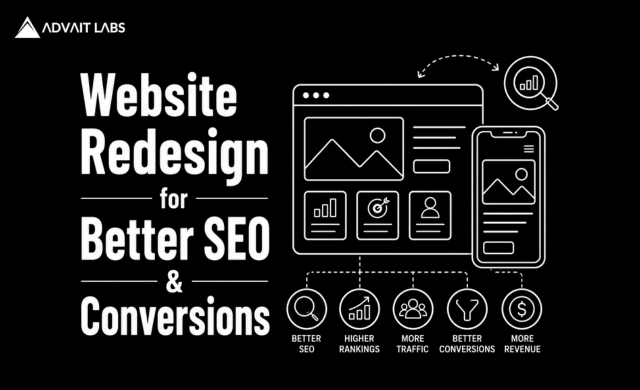
Website redesign is often seen as a cosmetic upgrade, but it’s much more than changing colors, fonts, or layouts. Your website is one of your business’s most valuable digital assets, serving as the first point of contact for many potential customers. If it no longer meets user expectations or business goals, it could be costing you traffic, leads, and revenue.
Technology, user behavior, and search engine algorithms have evolved significantly over the past few years. A website that performed well five years ago may now struggle with mobile responsiveness, page speed, user experience, and SEO. These issues not only affect how visitors interact with your website but also influence how Google ranks it in search results.
At Advait Technology Labs, we help businesses transform outdated websites into fast, SEO-friendly, and conversion-focused digital experiences. If you’re unsure whether it’s time for an upgrade, here are seven clear signs that indicate your business may benefit from a professional website redesign.
Why Website Redesign Matters
A website redesign improves your website’s design, performance, usability, and functionality to better meet modern user expectations and business objectives.
A successful redesign goes beyond appearance. It enhances:
- User experience
- Mobile responsiveness
- Website speed
- Search engine optimization
- Lead generation
- Brand credibility
- Conversion rates
A modern website supports long-term business growth by providing a better experience for both users and search engines.
1. Your Website Looks Outdated
First impressions matter online.
Visitors often decide whether they trust a business within seconds of landing on its website.
An outdated design with old fonts, inconsistent branding, poor layouts, or low-quality visuals can reduce credibility before users even read your content.
Modern websites prioritize:
- Clean layouts
- Consistent branding
- High-quality visuals
- Easy navigation
- Professional design
Refreshing your website helps build trust and creates a stronger brand image.
2. Your Website Isn’t Mobile-Friendly
Most users now browse websites on smartphones and tablets.
If your website requires users to zoom, scroll horizontally, or struggle with navigation, it’s likely hurting both user experience and SEO.
Google uses mobile-first indexing, meaning it primarily evaluates the mobile version of your website when determining search rankings.
A responsive, mobile-friendly design is now essential—not optional.
3. Your Website Loads Slowly
Website speed has a direct impact on user satisfaction and conversions.
Slow-loading websites often experience:
- Higher bounce rates
- Lower engagement
- Reduced search visibility
- Fewer conversions
Common causes include:
- Large image files
- Poor hosting
- Unoptimized code
- Excessive plugins
- Outdated development practices
Improving speed through a website redesign can significantly enhance both user experience and SEO performance.
4. You’re Not Generating Enough Leads
Your website should do more than provide information—it should encourage visitors to take action.
If users rarely:
- Submit contact forms
- Request quotes
- Book consultations
- Make purchases
- Call your business
your website may not be guiding visitors effectively.
A redesign can improve conversion rates by adding:
- Clear calls to action
- Better landing pages
- Simplified navigation
- Optimized forms
- Trust-building elements
A conversion-focused design helps turn visitors into customers.
5. Your Search Rankings Have Declined
If your organic traffic continues to decrease despite publishing quality content, your website’s technical foundation may be limiting its performance.
Older websites often struggle with:
- Poor site architecture
- Weak internal linking
- Slow page speed
- Outdated coding standards
- Missing structured data
- Core Web Vitals issues
A modern website redesign addresses these technical SEO factors while improving crawlability and indexing.
6. Managing Your Website Is Difficult
Your content management system should make updating your website simple.
If every content update requires developer support or takes excessive time, your website may be limiting your marketing efforts.
A redesign can introduce:
- User-friendly CMS platforms
- Easier content publishing
- Better media management
- Improved scalability
- Enhanced security
An efficient website saves time and supports faster business growth.
7. Your Website No Longer Reflects Your Business
Businesses evolve over time.
You may have introduced:
- New services
- New products
- Updated branding
- New target markets
- Different business goals
If your website still represents your business from several years ago, visitors may receive inaccurate or outdated information.
A redesign ensures your website accurately reflects your current brand and offerings.
Additional Benefits of a Website Redesign
A professionally redesigned website offers advantages beyond improved aesthetics.
Businesses often experience:
- Better user engagement
- Increased search visibility
- Faster loading speeds
- Improved mobile usability
- Higher lead generation
- Better conversion rates
- Stronger brand credibility
- Easier website management
These improvements contribute directly to long-term digital growth.
Website Redesign and SEO
A website redesign provides an opportunity to strengthen your SEO strategy.
During the redesign process, businesses can improve:
- Website architecture
- Internal linking
- URL structure
- Metadata
- Structured data
- Core Web Vitals
- Mobile optimization
- Crawlability
- Indexability
When planned correctly, a redesign can improve both user experience and organic search performance.
Website Redesign for AEO and GEO
Modern search extends beyond traditional Google results.
AI-powered platforms such as Google AI Overviews, ChatGPT Search, Gemini, and Perplexity prioritize websites that are:
- Fast
- Well-structured
- Mobile-friendly
- Technically optimized
- Rich in helpful content
A website redesign creates the technical foundation needed to support both Answer Engine Optimization (AEO) and Generative Engine Optimization (GEO).
Clear content structure, logical navigation, and strong technical SEO help AI systems better understand and reference your website.
Final Thoughts
A website redesign is not simply about giving your website a fresh appearance—it’s about ensuring your online presence supports your business goals in today’s competitive digital landscape.
If your website looks outdated, loads slowly, performs poorly on mobile devices, struggles to generate leads, or no longer reflects your business, it may be time for a redesign.
Investing in a modern, SEO-friendly, and user-focused website can improve credibility, increase conversions, and strengthen your visibility across both traditional search engines and AI-powered search platforms.
If you’re ready to transform your website into a high-performing business asset, Advait Technology Labs can help you design and develop a fast, responsive, and conversion-focused website built for long-term success.
Frequently Asked Questions
How often should a website be redesigned?
Most businesses should evaluate their website every three to five years or sooner if technology, branding, or customer expectations have changed significantly.
Will a website redesign improve SEO?
Yes. A properly planned redesign can improve technical SEO, mobile usability, page speed, Core Web Vitals, and overall user experience, all of which support better search rankings.
Can a website redesign increase conversions?
Absolutely. Improved navigation, faster loading speeds, stronger calls to action, and better user experience often lead to higher conversion rates.
What should be included in a website redesign?
A comprehensive redesign should include responsive design, SEO optimization, improved UI/UX, faster performance, updated branding, secure development, and scalable content management.
Why choose Advait Technology Labs for a website redesign?
Advait Technology Labs builds fast, SEO-friendly, mobile-optimized websites that combine modern design with technical expertise to help businesses attract more visitors, generate more leads, and achieve sustainable digital growth.
